 English
 Español
  Português
  русский
  Français
  日本語
日本語  Deutsch
  tiếng Việt
  Italiano
  Nederlands
  ภาษาไทย
  Polski
  한국어
한국어  Svenska
  magyar
  Malay
Malay  বাংলা ভাষার
  Dansk
Dansk  Suomi
Suomi  हिन्दी
  Pilipino
  Türkçe
  Gaeilge
  العربية
  Indonesia
  Norsk
Norsk  تمل
تمل  český
český  ελληνικά
  український
  Javanese
  فارسی
فارسی  தமிழ்
தமிழ்  తెలుగు
  नेपाली
  Burmese
  български
  ລາວ
ລາວ  Latine
  Қазақша
  Euskal
  Azərbaycan
  Slovenský jazyk
  Македонски
  Lietuvos
  Eesti Keel
  Română
  Slovenski
  मराठी
मराठी  Srpski језик


How Does a Power Train Axle Enhance Vehicle Performance?
2025-12-12
A power train axle serves as a critical structural and dynamic component within a vehicle’s drivetrain system, transmitting engine and transmission torque to the wheels while supporting substantial mechanical loads. In contemporary automotive engineering—whether for passenger vehicles, commercial trucks, heavy-duty equipment, or specialized off-road machinery—the power train axle continues to evolve as manufacturers pursue higher torque capacity, improved durability, better efficiency, and enhanced serviceability.
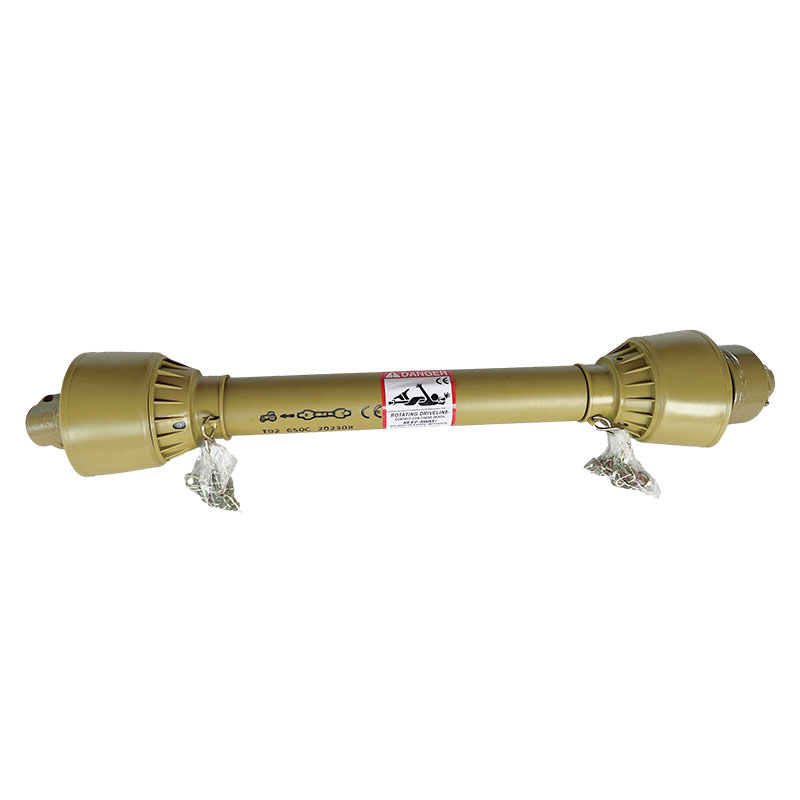
Below is a structured overview of representative technical parameters typically associated with a high-quality power train axle designed for heavy-duty and industrial applications:
| Parameter Category | Technical Specification Range |
|---|---|
| Axle Housing Material | High-strength alloy steel, forged steel, nodular cast iron |
| Torque Capacity | 3,000–15,000 N·m depending on configuration |
| Axle Ratio Options | 3.21, 3.73, 4.10, 4.56, 5.29, custom gear sets |
| Differential Types | Open, locking, limited-slip, electronic locking differential |
| Bearing Types | Tapered roller bearings, heavy-duty multi-row bearings |
| Shaft Diameter | 30–42 mm for light/medium duty; 45–60 mm for heavy-duty |
| Heat Treatment | Carburizing, quenching, tempering for high surface hardness |
| Load Capacity | 1.5–20 tons depending on axle class |
| Lubrication System | Hypoid gear oil, synthetic gear lubricants |
| Compatibility | Rear-wheel drive, all-wheel drive, multi-axle power trains |
Through a detailed analysis of these specifications, the article will address how a power train axle is engineered to meet performance demands, how variations in design influence operational efficiency, and how materials and manufacturing processes predict long-term reliability.
How Does a Power Train Axle Transfer Power Under Heavy Load Conditions?
A power train axle performs the essential task of transferring mechanical power from the transmission or transfer case to the wheels. Beneath this deceptively simple definition lies a complex interplay of structural integrity, precision gearing, thermal management, and load distribution. To understand how a power train axle operates under heavy load conditions, it is useful to consider the following engineering aspects.
At the core of the axle assembly is the differential mechanism, which adapts rotational speed differences between left and right wheels, particularly during cornering. When operating under heavy loads—such as towing, hauling, or off-road traction—the differential and gear set must maintain stable contact patterns. This ensures torque is transmitted smoothly without undue stress on gear teeth. Hypoid gears, commonly used in power-intensive axle designs, incorporate offset pinion positioning to increase surface contact area, thereby handling greater torque with reduced noise and vibration.
The axle shafts themselves must withstand torsional energy generated under high-torque conditions. Materials such as forged alloy steel undergo heat treatments to strengthen the molecular structure, increasing fatigue resistance. Proper lubrication supports thermal stability, reducing friction and preventing premature wear. Housing rigidity further ensures that the internal gear mesh remains aligned under stress, safeguarding efficiency and optimized torque delivery.
Within automotive and industrial markets, manufacturers calibrate axle ratios to modify torque multiplication. Lower ratios suit high-speed applications, whereas higher ratios support torque-intensive duties. When selecting or evaluating a power train axle, understanding torque curves, load distribution patterns, and duty cycles is essential.
How Do Material Selection and Manufacturing Methods Influence Axle Durability?
Axle durability is derived from the combined influence of metallurgical composition, heat-treatment protocols, surface finishing, and machining precision. Each stage of axle manufacturing is integral to ensuring the product maintains structural integrity throughout its operational life.
High-strength alloy steels and nodular cast iron are favored for their balance of rigidity and impact resistance. Forged axle shafts outperform cast variants due to stronger grain alignment and higher density, allowing for consistent torsional strength. Heat treatment processes such as carburizing increase surface hardness while preserving core ductility, allowing components to absorb shock loads without cracking.
Machining accuracy directly affects the engagement between ring and pinion gears. A precise tooth profile ensures smooth power transfer and reduces detrimental heat accumulation. Computer numerical control machining supports consistent geometry, ensuring minimal variation across production batches.
Corrosion resistance is also a critical durability factor. Protective coatings, controlled lubrication channels, and sealed bearing assemblies extend component lifespan, particularly for vehicles exposed to harsh environments or heavy-duty operations. Proper sealing also prevents contamination—dust, moisture, and metal particulates can all degrade performance and accelerate wear.
The integration of advanced quality control systems—such as nondestructive testing, hardness measurements, and load testing simulations—ensures every axle meets its intended performance threshold. As durability directly influences lifecycle cost, proper engineering execution significantly improves total cost efficiency across fleet operations.
How Does Axle Configuration Affect Vehicle Handling and Traction?
Axle configuration plays a decisive role in determining how a vehicle behaves under acceleration, braking, cornering, and uneven terrain. The combination of differential type, axle ratio, suspension mounting, and shaft configuration influences traction stability and driving comfort.
For vehicles requiring maximum traction—such as off-road trucks, construction equipment, or agricultural machinery—locking differentials provide synchronized wheel rotation, minimizing the risk of slippage. Limited-slip differentials automatically adjust to varying traction conditions, providing balanced torque distribution without operator intervention.
Axle housing design also affects handling characteristics. A rigid housing maintains consistent wheel alignment, improving directional stability. Vehicles exposed to extreme load variations benefit from reinforced housings to prevent flexing under uneven stress. Proper load management enhances tire performance, suspension function, and drivetrain responsiveness.
The interplay between axle ratio and engine torque curve influences acceleration capability. Higher ratios generate increased torque at lower speeds, supporting heavy hauling operations. Lower ratios support higher travel speeds, making them suitable for highway-oriented vehicles. Selecting the proper ratio ensures the axle complements the broader power train system.
In multi-axle vehicles—such as articulated machinery or logistics trucks—synchronized axles ensure distributed load support and improved traction. Engineers frequently rely on computational models to analyze how different axle setups affect rollover stability, braking distances, and climbing performance.
How Will Power Train Axle Technology Evolve in Future Vehicle Platforms?
While the core mechanical principles of axle systems remain consistent, emerging technologies are shaping the future direction of power train axle engineering. Electrification, autonomous operation, and energy-efficiency mandates are driving significant advancements across axle design.
Electric vehicles, for example, increasingly adopt integrated e-axle systems that combine motors, inverters, and gear reductions into a compact assembly. These systems eliminate the need for traditional longitudinal drivetrains, reducing mechanical losses while enhancing design flexibility. For hybrid vehicles, torque-blending strategies between internal combustion engines and electric motors influence axle torque loads, driving innovation in gearing resilience and thermal management.
Predictive maintenance technologies are another area of growth. Intelligent sensors embedded in axle housings monitor temperature, vibration levels, lubrication condition, and load impact. Such systems enable proactive service measures that extend component lifespan and reduce downtime. Fleet operators benefit greatly from this data-driven approach, achieving predictable maintenance cycles and improved asset utilization.
Advanced material science also plays a central role in future axle innovation. Lightweight yet high-strength alloys, specialized surface coatings, and additive manufacturing techniques may redefine axle performance. Weight reduction contributes to fuel efficiency, while new materials broaden application suitability across extreme environments.
In addition, as commercial and industrial vehicles transition toward autonomous operation, axle systems must integrate with advanced stability control systems, requiring more precise torque distribution capabilities and fail-safe mechanical redundancy.
Collectively, these trends point toward an increasingly intelligent, efficient, and robust axle ecosystem that supports a wide range of next-generation mobility solutions.
Common Questions About Power Train Axles
Q1: How often should a power train axle be serviced for optimal performance?
A1: Maintenance frequency depends on duty cycle, environmental exposure, and axle type. For heavy-duty vehicles operating in high-load or off-road conditions, lubrication checks should occur at shorter intervals, typically between 15,000 and 30,000 kilometers. Regular inspection of seals, bearings, and differential components ensures early detection of wear patterns. Vehicles that experience prolonged high-speed or high-temperature operation may require more frequent fluid replacement to maintain gear protection.
Q2: How can axle ratio selection influence fuel efficiency and power output?
A2: Axle ratio selection determines the relationship between engine rpm and wheel rotation. A higher numerical ratio delivers greater torque to the wheels but increases engine rpm at cruising speeds, potentially reducing fuel efficiency. Conversely, a lower numerical ratio supports higher fuel economy but may reduce towing or hauling capability. Selecting the correct ratio requires balancing intended vehicle use, engine characteristics, and operational conditions.
Final Summary and Brand Integration
Understanding how a power train axle influences vehicle performance requires examining its structural configuration, materials, torque characteristics, and mechanical interactions with the broader drivetrain. The axle remains a cornerstone of modern vehicle engineering, supporting efficient power transfer, reliable load management, and stable handling across varied operating conditions. As the industry evolves toward electrification, automation, and predictive maintenance, power train axle systems will continue to incorporate new technologies that enhance precision, durability, and operational intelligence.
For organizations seeking high-quality axle solutions, Minghua Gear delivers precision-engineered components designed to meet demanding mechanical and environmental requirements. With a commitment to technical excellence, robust material selection, and advanced manufacturing capabilities, the brand supports reliable performance across automotive, industrial, and specialty applications.
For detailed specifications, procurement inquiries, or engineering consultation, contact us to explore how high-performance axle systems can support your project or vehicle fleet.



X
We use cookies to offer you a better browsing experience, analyze site traffic and personalize content. By using this site, you agree to our use of cookies.
Privacy Policy